Mentoring
Want a cohort roadmap and sample dashboard? Contact us to book a 20-minute scoping call.
The Issue
Tomorrow’s Changed Society (TCS) Mentoring pairs trained, trauma-informed mentors with students for a structured, outcomes-driven programme. We don’t “have a chat and hope”; we use clear goals, weekly check-ins, and evidence-based tools around self-regulation, metacognition, and future planning. Every young person has a personalised plan that links to your DfE behaviour, safeguarding, and attendance systems—so progress shows up where it matters.

How We Solve It
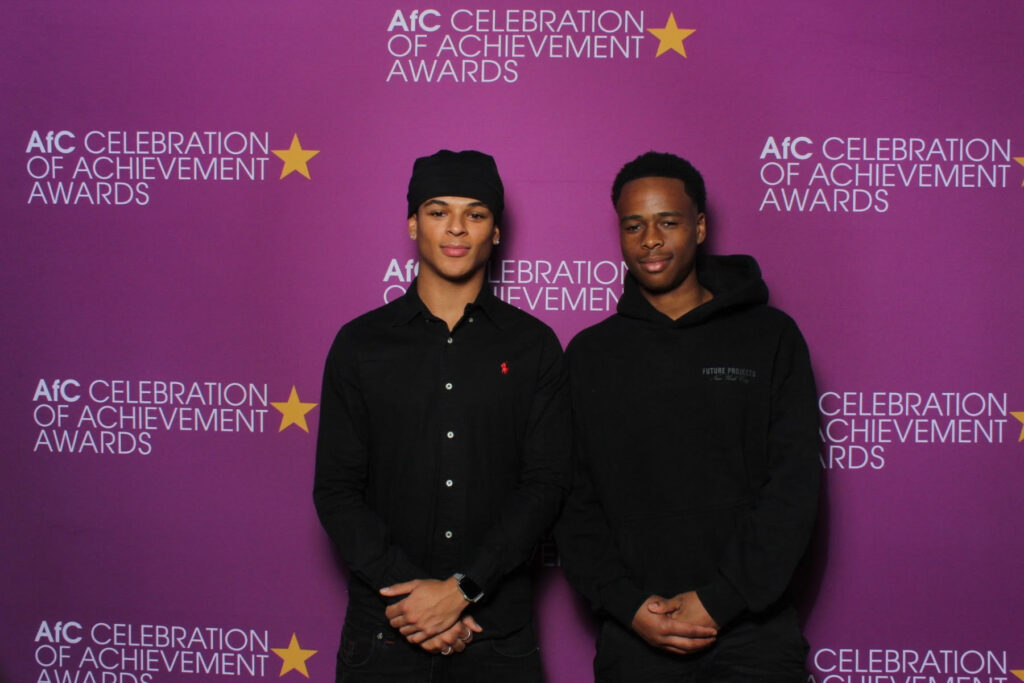
Too many students—especially boys and young men from disadvantaged or care-experienced backgrounds and neurodivergent pupils—drift through school without a trusted adult who helps them convert potential into progress. They accumulate behaviour points, miss interventions, and disengage from learning. The result? Attainment gaps widen, exclusions rise, and brilliant talent is lost and, more often than not, criminalised. In the picture is the founder with his first mentee, a formidable young man who he helped from the brink of criminalisation and into stable and sustainable EET.
How We Solve It
Too many students—especially boys and young men from disadvantaged or care-experienced backgrounds and neurodivergent pupils—drift through school without a trusted adult who helps them convert potential into progress. They accumulate behaviour points, miss interventions, and disengage from learning. The result? Attainment gaps widen, exclusions rise, and brilliant talent is lost and, more often than not, criminalised. In the picture is the founder with his first mentee, a formidable young man who he helped from the brink of criminalisation and into stable and sustainable EET.
What It Looks Like in Practice:
Referral & triage:
SLT/HOY/Parents/Social Workers identify priority young people (e.g., persistent absence, behaviour incidents, exam pressure, care-experienced).
Onboarding:
Baseline wellbeing and engagement metrics; student voice captured from day one.
Weekly mentoring:
30–45 minutes, wherever, with micro-targets tied to attendance, punctuality, homework and conduct.
Family & agency links:
Where appropriate, we liaise with carers/social workers to keep support joined up.
Data & review:
Half-termly dashboards that track movement in behaviour points, detentions, attendance, and attainment markers.
Be a part of the solution, or complicit in the problem.
Join The TCS Foundation and help empower the future leaders of our communities.