AfC Teaching Assistant Conference
TCS at the AfC Teaching Assistant Conference — why the people who are often closest to struggling young people deserve better training and more recognition.
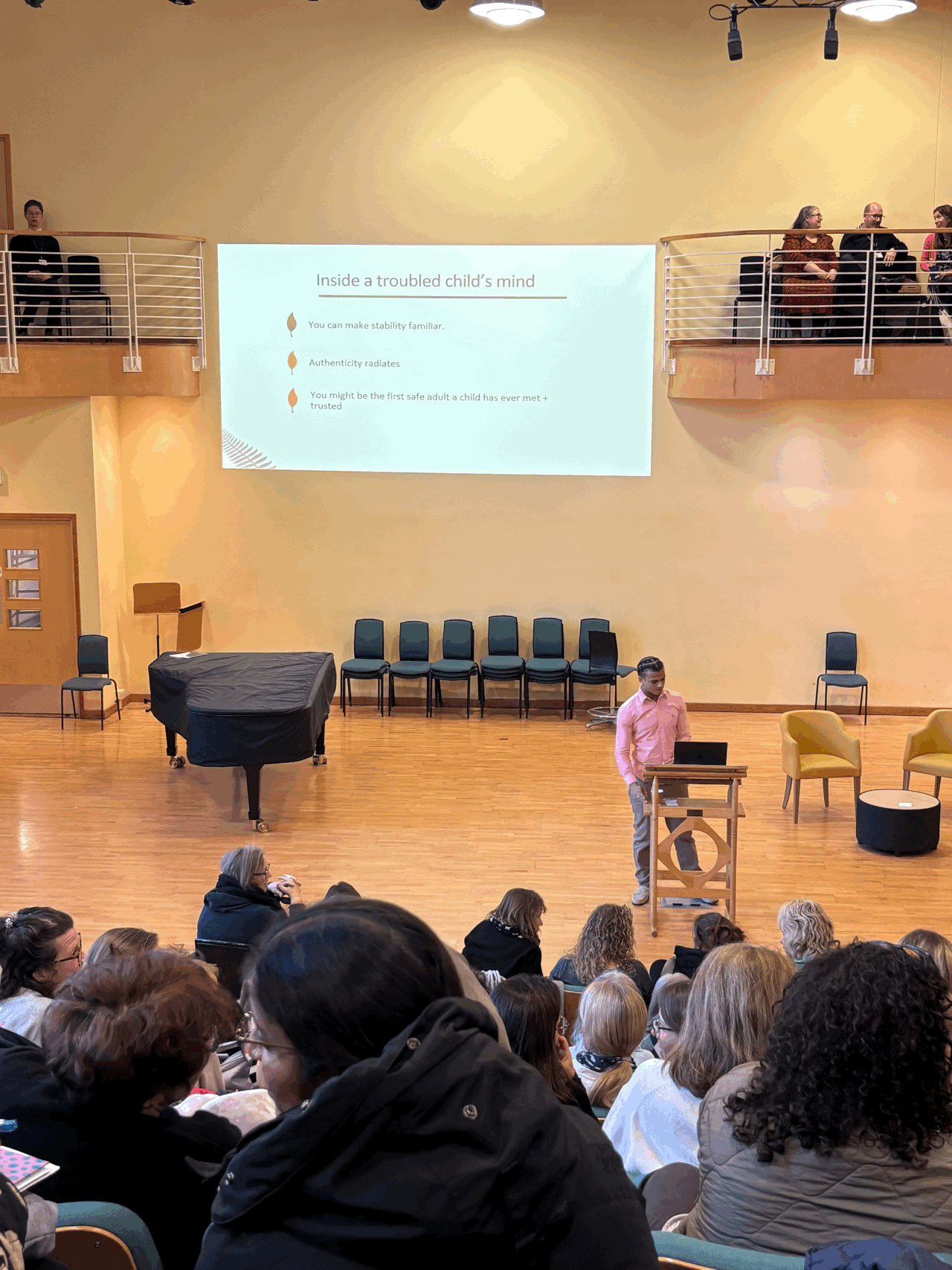
Teaching assistants are, in many schools, the people closest to the young people who need the most support.
They're in the room when a student is struggling. They're the ones who notice when something's off. They build the relationships that make learning feel possible for young people who've been failed before.
And yet they're often among the least paid, least recognised, and least trained members of a school's workforce.
When AfC invited TCS to contribute to their Teaching Assistant Conference, we said yes immediately.
Why This Matters to Us
Our staff training programme exists because we believe that the adults around young people are one of the most powerful levers for change we have.
You can't build early intervention without informed, confident, trauma-aware practitioners. And that includes — centrally includes — teaching assistants, who often have more sustained contact with vulnerable students than any other adult in the building.
The conference brought together teaching assistants from across the AfC network — people doing extraordinary work in often difficult conditions. Being in the room with them was a privilege.
What We Shared
We delivered a session focused on three things:
Trauma-informed practice in the classroom. What it means to understand behaviour as communication. How adverse childhood experiences shape a young person's capacity to engage. What a trauma-informed response looks like versus a punishment-based one.
The care leaver experience. Many young people in care have teaching assistants as key relationships. We talked honestly about what care experience can involve, and what it means for a TA to be a consistent, trusted adult in a young person's life.
Practical tools. Because theory without practice isn't enough. We shared frameworks, conversation starters, and approaches that TAs can actually use on Monday morning.
The Conversation That Followed
The Q&A was where it really came alive. Teaching assistants asked hard, honest questions — about boundaries, about when to escalate, about how to support a young person without overstepping, about managing their own emotional responses to difficult situations.
These weren't the questions of people who didn't care. They were the questions of people who cared deeply and wanted to do it better.
That's the room TCS wants to be in.
A Call to Schools
If you're a school leader: invest in your teaching assistants. Train them. Pay them properly. Include them in the conversations about your most vulnerable students.
They're already doing extraordinary work. Imagine what they could do with the right support.
TCS's staff training programme is available to schools and educational settings. Get in touch to find out more.